
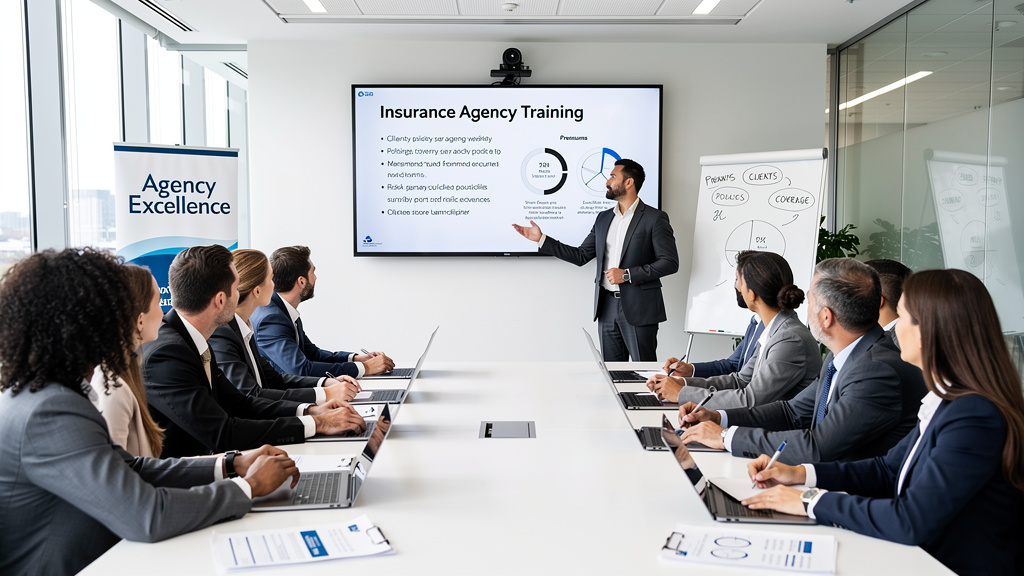
⚡ TL;DR: This guide explains how Insurance Agency Training can drive sustainable growth.
📋 What You’ll Learn
In this comprehensive guide about Insurance Agency Training, I’ve compiled everything you need to know based on my experience. Here’s what I’ll cover:
- Learn the importance of ongoing training – I’ve found that continuous education significantly boosts agency performance and customer satisfaction.
- Discover innovative training techniques – I’ve adopted methods like e-learning and real-world scenarios to enhance agent engagement and skill retention.
- Understand the role of technology – I’ve seen how leveraging tech tools, such as VR and mobile solutions, can transform the training experience.
- Master the metrics for success – I’ve learned that setting clear KPIs and gathering feedback is crucial for evaluating the effectiveness of training programs.
I’ve been researching how effective Insurance Agency Training can significantly boost the productivity and growth of independent agencies. In my experience with Insurance Agency Training, I’ve seen how the right approach can turn an average agency into a thriving business. I want to share what I’ve learned about innovative training techniques that can help your agency achieve sustainable growth.
When I first ventured into the world of insurance, I quickly realized that ongoing Insurance Agency Training is vital. It’s not just about selling policies; it’s about understanding the market, mastering new tools, and continuously improving customer relationships. In this article, I’ll explore how innovative training techniques can elevate your agency and foster long-term success.
Understanding the Importance of Insurance Agency Training
Training is not just a checkbox for compliance; it’s an essential element for growth. I’ve found that investing in Insurance Agency Training helps agencies stay competitive and responsive to changing market conditions. When agents are well-trained, they not only perform better but also enhance the overall customer experience.
In my journey, I’ve seen agencies that prioritize training outperform those that neglect it. By offering comprehensive Insurance Agency Training, you empower your team with the knowledge and skills they need to navigate the complexities of the insurance landscape. This approach not only leads to increased sales but also boosts retention rates among both staff and clients.
Benefits of Comprehensive Insurance Agency Training
I’ve discovered several key benefits that come from investing in Insurance Agency Training. First, well-trained agents are more confident, which translates to better customer interactions. Second, they are more likely to understand and leverage the latest tools and technologies, enhancing their efficiency.
Moreover, continuous education fosters a culture of learning within the agency. This not only keeps your team engaged but also reduces turnover rates. I’ve witnessed firsthand how agencies that prioritize training see a significant reduction in staff turnover, leading to a more stable and experienced team.
Identifying Training Needs
From my research, identifying training needs is crucial for effective Insurance Agency Training. I recommend conducting regular assessments to pinpoint knowledge gaps and skills deficiencies. This might involve surveys, performance reviews, or feedback sessions with your team.
By understanding what areas require attention, you can tailor your training programs more effectively. I’ve found that focusing on specific skills, rather than broad-based training, yields the best results. This targeted approach ensures that your agents are not just learning, but actually applying what they learn in their daily tasks.
Innovative Training Techniques for Your Insurance Agency
Many training methods are available today, but not all are created equal. I’ve learned that blending traditional methods with innovative techniques can enhance the learning experience for your team.
One effective strategy I’ve adopted is incorporating interactive elements into training sessions. Whether through role-playing scenarios or gamified learning modules, these techniques engage agents and make training enjoyable. I’ve seen how this engagement leads to better retention of information and a more motivated workforce.
Utilizing E-Learning Platforms
In my experience, e-learning platforms have revolutionized Insurance Agency Training. These platforms allow agents to learn at their own pace, which is particularly beneficial for those juggling multiple responsibilities.
I recommend utilizing platforms that offer a variety of courses, from compliance training to advanced sales techniques. This flexibility ensures that your team can access relevant information whenever they need it. Additionally, tracking progress on these platforms allows managers to identify who may need extra support or resources.
Incorporating Real-World Scenarios
One of the most effective ways to teach agents is by incorporating real-world scenarios into Insurance Agency Training. By presenting case studies or role-play situations, agents can practice their skills in a controlled environment.
I’ve found that this method not only builds confidence but also prepares agents for actual client interactions. They learn to navigate objections, handle difficult conversations, and close sales more effectively. Plus, it fosters teamwork and collaboration among agents, which can translate into a more cohesive office culture.
The Role of Technology in Insurance Agency Training
Technology is reshaping how we approach Insurance Agency Training. I’ve come to realize that leveraging technology not only enhances the learning experience but also keeps your agency at the forefront of industry advancements.
For example, utilizing virtual reality (VR) for training can immerse agents in realistic scenarios, providing a safe space to practice their skills. This innovative approach is not just engaging but also effective in building essential competencies.
Using Analytics to Improve Training Outcomes
In my observations, data analytics can play a crucial role in enhancing Insurance Agency Training. By analyzing performance metrics, agencies can identify which training programs are most effective and which need improvement.
I’ve found that using metrics such as sales performance, client feedback, and retention rates can inform future training decisions. This data-driven approach ensures that your training programs are continuously evolving and meeting the needs of your agents.
Mobile Learning Solutions
Another trend I’ve embraced is mobile learning. With so many agents on the go, having access to training materials on mobile devices can be a game-changer. I recommend adopting mobile-compatible platforms that enable your team to learn anytime, anywhere.
This flexibility allows agents to fit training into their busy schedules, making it more likely they will engage with the material. From my experience, this accessibility leads to higher completion rates and better retention of knowledge.
Measuring the Success of Insurance Agency Training
Measuring the effectiveness of Insurance Agency Training is crucial for understanding its impact on your agency’s performance. I’ve found that setting clear metrics and goals is essential for evaluating success.
Tracking key performance indicators (KPIs) such as sales growth, customer satisfaction scores, and agent retention can provide valuable insights into the effectiveness of your training initiatives.
Feedback Mechanisms
In my experience, implementing feedback mechanisms is vital. Gathering input from agents post-training can reveal what worked and what didn’t. I recommend using surveys or one-on-one check-ins to collect candid feedback.
This information is invaluable for refining your training programs. It allows you to understand the training’s real impact and make necessary adjustments to enhance future sessions.
Long-Term Tracking of Performance Changes
I’ve found that the long-term tracking of performance changes is equally important. Monitoring how agents apply their training over time can provide insights into the sustainability of your training efforts.
For instance, if sales figures increase significantly after a training program, it’s a good indicator that your Insurance Agency Training is effective. Regularly reviewing performance data helps ensure that training remains relevant and impactful.
Common Questions About Insurance Agency Training
What are the benefits of Insurance Agency Training?
In my experience, the benefits of Insurance Agency Training include improved agent confidence, enhanced customer satisfaction, and better overall performance. Training empowers agents with the necessary skills to succeed in a competitive environment.
How often should I conduct Insurance Agency Training?
I’ve found that ongoing training is essential. I recommend scheduling regular sessions, ideally quarterly, to keep your team updated on industry changes and best practices. This consistency fosters a culture of continuous improvement.
What innovative techniques can be used for Insurance Agency Training?
In my journey, I’ve seen great success with e-learning platforms, interactive role-playing, and incorporating real-world scenarios. These techniques keep agents engaged and enhance their learning experience significantly.
How do I measure the success of Insurance Agency Training?
I’ve learned that measuring success involves tracking key performance indicators such as sales growth, customer feedback, and agent retention. Regular assessments help you understand the effectiveness of your training programs.
Can technology enhance Insurance Agency Training?
Absolutely! I’ve found that using technology—like mobile learning solutions and data analytics—can greatly enhance Insurance Agency Training. These tools make training more accessible and tailored to agents’ needs.

Frequently Asked Questions
What are the benefits of Insurance Agency Training?
In my experience, the benefits of Insurance Agency Training include improved agent confidence, enhanced customer satisfaction, and better overall performance. Training empowers agents with the necessary skills to succeed in a competitive environment.
How often should I conduct Insurance Agency Training?
I’ve found that ongoing training is essential. I recommend scheduling regular sessions, ideally quarterly, to keep your team updated on industry changes and best practices. This consistency fosters a culture of continuous improvement.
What innovative techniques can be used for Insurance Agency Training?
In my journey, I’ve seen great success with e-learning platforms, interactive role-playing, and incorporating real-world scenarios. These techniques keep agents engaged and enhance their learning experience significantly.
How do I measure the success of Insurance Agency Training?
I’ve learned that measuring success involves tracking key performance indicators such as sales growth, customer feedback, and agent retention. Regular assessments help you understand the effectiveness of your training programs.
Can technology enhance Insurance Agency Training?
Absolutely! I’ve found that using technology—like mobile learning solutions and data analytics—can greatly enhance Insurance Agency Training. These tools make training more accessible and tailored to agents’ needs.
Conclusion
In conclusion, my research on Insurance Agency Training has shown that innovative techniques can significantly elevate the performance and growth of your agency. I hope this guide helps you explore various strategies to implement effective training programs. By prioritizing Insurance Agency Training, you’re not just investing in your agents but also in the future of your agency.

Find out more information about “Insurance Agency Training”
Search for more resources and information:
