
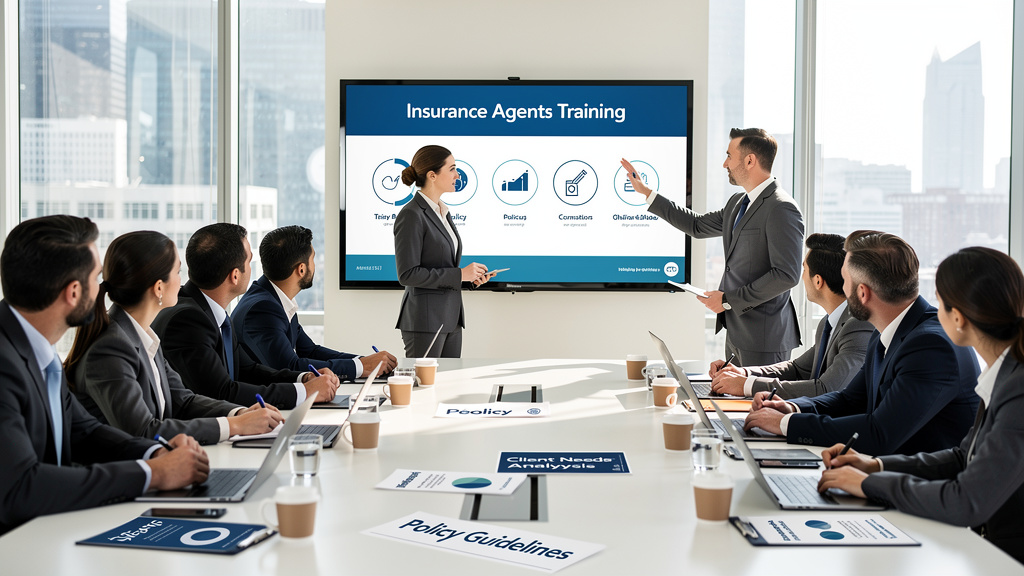
⚡ TL;DR: This guide explains the significance of effective Insurance Agents Training for career advancement.
📋 What You’ll Learn
In this comprehensive guide about Insurance Agents Training, I’ve compiled everything you need to know based on my extensive research. Here’s what I’ll cover:
- Learn the importance of training – I’ve found that effective Insurance Agents Training boosts career trajectories and improves client relationships.
- Discover key training components – Understanding product knowledge, sales techniques, and regulatory compliance is essential for success in this field.
- Master effective training techniques – I’ve observed that hands-on approaches and blended learning significantly enhance knowledge retention and application.
- Understand how to measure success – I’ve learned that tracking sales performance and customer satisfaction can effectively evaluate training effectiveness.
I’ve been researching the landscape of Insurance Agents Training extensively, and I want to share what I’ve learned. In my experience with Insurance Agents Training, it’s clear that effective training can significantly boost an agent’s career trajectory. Whether you’re new to the field or a seasoned professional, honing your skills is essential to stay competitive.
Effective Insurance Agents Training encompasses a diverse range of topics, from product knowledge to sales techniques and client management. Understanding how to leverage these training opportunities can truly elevate your career.
Understanding the Importance of Insurance Agents Training
Starting with the basics, Insurance Agents Training is vital for personal and professional growth. It equips agents with the necessary skills to succeed in a constantly evolving market. I’ve found that comprehensive training helps agents not only meet industry standards but also exceed client expectations.
Moreover, investing in Insurance Agents Training can lead to higher retention rates and increased sales. Agencies that prioritize training often see a direct correlation between well-trained agents and business success.
Why Continuous Learning Matters
In my journey, I’ve discovered that continuous learning is critical for insurance agents. The insurance landscape is always changing, with new regulations and products emerging regularly. By engaging in ongoing Insurance Agents Training, agents can stay informed and adapt to these changes effectively.
Moreover, continuous training fosters a culture of improvement and innovation within agencies. When agents feel supported in their professional development, they are more likely to remain loyal and motivated.
The Impact on Client Relationships
I’ve noticed that effective Insurance Agents Training not only enhances skills but also improves client relationships. Clients prefer agents who are knowledgeable and confident in their offerings. Training programs that focus on communication and empathy can significantly influence how agents connect with clients.
In my experience, I’ve seen agents who invest time in training develop stronger relationships, leading to higher client satisfaction and referrals.
The Competitive Edge
To stand out in the crowded insurance market, agents must differentiate themselves. Through Insurance Agents Training, agents gain insights into market trends and customer behavior that can provide a competitive edge.
From my research, agencies that emphasize training often outperform their competitors in terms of growth and profitability. A well-trained agent can navigate complex situations, making them invaluable to their clients.
Key Components of Effective Insurance Agents Training
When considering Insurance Agents Training, it’s essential to identify the key components that make training effective. I’ve categorized these components into three main areas: product knowledge, sales techniques, and regulatory compliance.
By focusing on these areas, agencies can create a well-rounded training program that addresses both the technical and interpersonal skills necessary for success in the field.
Product Knowledge: The Foundation
I believe that a deep understanding of products is the cornerstone of effective Insurance Agents Training. Agents need to be well-versed in the details of the policies they sell. This not only boosts their confidence but also allows them to provide accurate information to clients.
In my experience, agents who excel in product knowledge often find it easier to close sales and handle objections. They can explain complex concepts in a way that clients can understand, which builds trust and credibility.
Sales Techniques: Closing the Deal
I’ve learned that mastering sales techniques is crucial for success in insurance. Effective Insurance Agents Training should incorporate various sales strategies, including relationship-building and consultative selling.
From my observations, agents who are trained in these techniques are more adept at identifying client needs and proposing suitable solutions. This approach not only enhances sales but also fosters long-term relationships with clients.
Regulatory Compliance: Staying Legal
Understanding regulatory compliance is another critical aspect of Insurance Agents Training. I’ve seen firsthand how failing to comply with regulations can lead to significant issues for agents and their clients.
Training programs should include updates on legal requirements and ethical practices to ensure agents are always informed. This knowledge not only protects the agent but also instills confidence in clients, knowing they are working with a compliant professional.
Training Techniques That Work
As I’ve explored various training techniques, I’ve found that interactive and hands-on approaches yield the best results. Engaging training sessions can create a more dynamic learning environment, making it easier for agents to retain information.
Incorporating technology, such as online courses and webinars, also allows for flexibility in training schedules. This adaptability is vital in today’s fast-paced world, where agents need to balance training with their everyday responsibilities.
Blended Learning Approaches
I’ve discovered that blended learning, which combines traditional classroom techniques with online education, can be particularly effective. This method allows agents to learn at their own pace while still benefiting from face-to-face interactions with trainers.
In my experience, agents who participate in blended learning programs tend to engage more actively and apply what they’ve learned more effectively.
Role-Playing Scenarios
From my observations, role-playing scenarios during Insurance Agents Training can significantly enhance skills. These exercises provide agents with opportunities to practice their sales techniques and client interactions in a safe environment.
I’ve found that role-playing not only builds confidence but also helps agents learn how to handle objections and challenging conversations. This preparation can be invaluable when they encounter real-world situations.
Feedback and Evaluation
In my journey, I’ve learned that continuous feedback is essential for growth. Incorporating regular evaluations into the training process helps agents understand their strengths and areas for improvement.
By providing constructive feedback, trainers can guide agents towards effective strategies and techniques, ensuring that their learning is targeted and impactful.
Measuring Success in Insurance Agents Training
After investing time and resources into Insurance Agents Training, measuring its success is crucial. I’ve found that establishing clear metrics is essential to evaluate the effectiveness of training programs.
Some common metrics include sales performance, customer satisfaction scores, and retention rates. By analyzing these indicators, agencies can determine the return on investment for their training initiatives.
Sales Performance Metrics
In my experience, tracking sales performance before and after training can provide valuable insights. If agents see a significant increase in sales, it’s a clear indicator that the training was effective.
I recommend analyzing individual agent performance as well as overall agency performance to gauge the comprehensive impact of the training.
Customer Satisfaction Surveys
I’ve found that collecting customer feedback is another way to measure the success of Insurance Agents Training. Surveys can provide insight into client experiences and highlight areas where agents excel or need improvement.
By regularly assessing customer satisfaction, agencies can ensure that their training programs are aligned with client expectations.
Retention Rates
Finally, monitoring retention rates can help evaluate the long-term success of Insurance Agents Training. If agents feel supported and empowered through training, they are more likely to stay with the agency.
In my observations, agencies that focus on training often report higher retention rates, which is a win-win situation for both agents and the organization.
Common Questions About Insurance Agents Training
What is the best way to implement Insurance Agents Training?
In my experience, the best way to implement Insurance Agents Training is to start with a needs assessment. This helps identify the skills gaps and tailor the training programs accordingly.
How often should agents undergo training?
I’ve found that continuous training is beneficial. Regular updates, at least every six months, can help agents stay informed about new products and regulations.
What are the costs associated with Insurance Agents Training?
Costs can vary widely based on the training format and content. I recommend budgeting for both initial training and ongoing education to ensure agents receive comprehensive support.
How can I choose the right training program?
I’ve found that looking for programs that offer practical, hands-on experience is crucial. Additionally, seeking reviews from other agents can provide valuable insights into the program’s effectiveness.
What role does technology play in Insurance Agents Training?
In my experience, technology enhances training by providing flexible options such as online courses and webinars. These resources can make learning more accessible and engaging.

Frequently Asked Questions
Frequently Asked Questions
What is Insurance Agents Training?
In my experience, Insurance Agents Training refers to programs designed to equip agents with necessary skills and knowledge for selling insurance effectively. This includes product knowledge, sales techniques, and compliance with regulations.
How can Insurance Agents Training improve my career?
I’ve found that Insurance Agents Training can significantly enhance my career by improving my skills, boosting my confidence, and increasing my sales performance. Well-trained agents often have better client relationships, leading to higher retention and referrals.
What are the benefits of continuous Insurance Agents Training?
In my experience, continuous Insurance Agents Training keeps agents informed about industry changes, enhances their skills, and fosters a culture of improvement within agencies. It ultimately leads to better client service and increased sales.
Can I train myself for insurance sales?
I’ve learned that while self-training is possible, structured Insurance Agents Training programs provide a comprehensive approach that ensures agents cover all necessary areas effectively and efficiently.
Conclusion
In conclusion, my research on Insurance Agents Training has shown that effective training is a game-changer for agents looking to advance their careers. By focusing on key components like product knowledge, sales techniques, and compliance, agents can significantly improve their skills and client satisfaction. I hope this guide helps you navigate the landscape of Insurance Agents Training and equips you with the tools necessary for success.

Find out more information about “Insurance Agents Training”
Search for more resources and information:
